High cholesterol, cardiovascular risk, and concerns about arterial health often lead people to look for ways to improve circulation and support healthier blood vessels. Vascular Detox (Plaque X) is an intravenous phospholipid therapy centered on phosphatidylcholine, but it should be considered as supportive care rather than a treatment that simply washes plaque out of the arteries.
At Nobel Longevity & Wellness in Bangkok, Thailand, Vascular Detox (Plaque X) is considered within a physician-guided approach to cardiovascular and longevity care, with attention to cardiovascular risk, current treatment, medications, and individual health status.
What Is Vascular Detox (Plaque X)?
Vascular Detox (Plaque X) is an intravenous therapy centered on phosphatidylcholine, an important phospholipid naturally found in cell membranes.
Phosphatidylcholine plays biological roles in cell-membrane structure, lipid transport, bile composition, and cellular signaling. These functions have led to interest in its potential use within vascular and metabolic wellness programs.
However, the biological importance of phosphatidylcholine does not mean that an IV infusion can physically clean the arteries, dissolve established plaque, or reverse cardiovascular disease.
How Does Phosphatidylcholine Support the Body?
Phosphatidylcholine is a major structural component of biological membranes and participates in several processes related to lipid and cellular biology.
- Cell membranes: phosphatidylcholine contributes to the structure and function of cellular membranes.
- Lipid transport: phospholipids participate in the transport and metabolism of fats within the body.
- Lipoprotein biology: phosphatidylcholine is involved in biological processes related to circulating lipoproteins.
- Liver and bile physiology: phosphatidylcholine is a normal component involved in bile and hepatic lipid biology.
These physiological roles provide the rationale for phosphatidylcholine-based therapy, but individual clinical outcomes can vary and should not be assumed from these mechanisms alone.
Can Plaque X Remove Arterial Plaque?
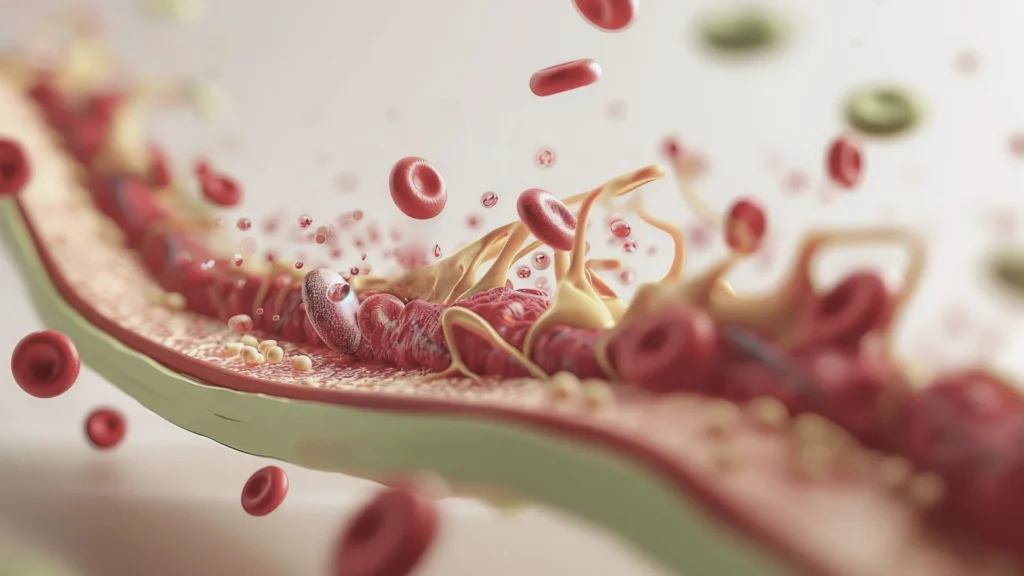
Atherosclerotic plaque is more complex than fat circulating in the bloodstream. It develops within the arterial wall and involves cholesterol-rich lipoproteins, inflammation, fibrous tissue, calcium, and changes in the blood vessel itself.
For this reason, Vascular Detox should not be described as mechanically washing away cholesterol or reopening blocked arteries. People with established cardiovascular disease may require lipid-lowering medication, blood-pressure management, diabetes management, lifestyle changes, cardiovascular imaging, or procedures depending on their condition.
Vascular Detox should also not replace statins or other cardiovascular medicines prescribed by your physician. Medication changes should be made only after appropriate medical assessment.
Who May Consider Vascular Detox?
Vascular Detox may be discussed with a physician by adults interested in phosphatidylcholine IV therapy as part of a broader cardiovascular and longevity plan, particularly those who want to better understand and manage their vascular health.
- Adults concerned about cholesterol or lipid health
- People with cardiovascular risk factors
- People with hypertension, diabetes, smoking history, or metabolic risk
- Adults with a family history of premature cardiovascular disease
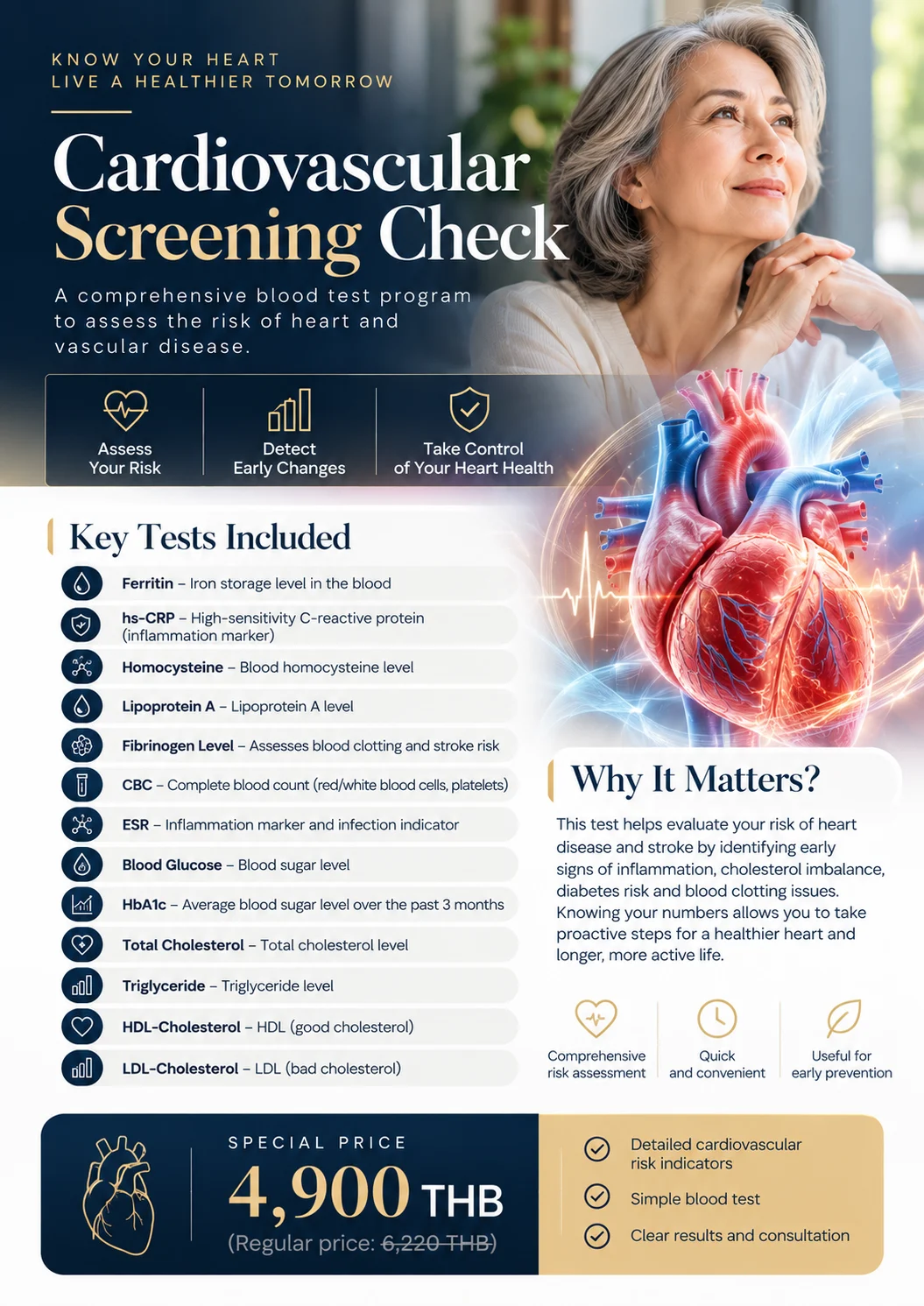
- People interested in a more comprehensive cardiovascular health assessment
- Adults exploring physician-guided vascular and longevity care
The presence of significant cardiovascular disease does not automatically make someone a candidate for Plaque X. The appropriate approach depends on the individual’s diagnosis, cardiovascular risk, symptoms, current treatment, and overall health.
What to Expect Before Vascular Detox Therapy
Before treatment, the medical team reviews your medical history, cardiovascular risk factors, medications, supplements, allergies, and current cardiovascular treatment.
Depending on your individual situation, assessment may include a lipid profile together with evaluation of liver and kidney function and other relevant health markers. Additional cardiovascular testing may be considered when clinically appropriate.
Extra caution may be required for people with significant liver or kidney disease, severe cardiovascular conditions, clotting disorders, anticoagulant use, pregnancy, breastfeeding, or allergy to ingredients in the formulation.
The number and frequency of treatments should be individualized according to Nobel’s clinical protocol rather than assuming that everyone requires the same course of infusions.
Vascular Detox (Plaque X) at Nobel Longevity & Wellness Bangkok
At Nobel Longevity & Wellness in Bangkok, Thailand, Vascular Detox (Plaque X) is considered within a broader approach to cardiovascular health and longevity rather than as a stand-alone solution for arterial plaque.
A personalized approach can consider cholesterol and lipid health, blood pressure, glucose metabolism, smoking, body composition, physical activity, family history, existing cardiovascular disease, and other factors that influence long-term vascular health.
The goal is to understand your cardiovascular risk first, then determine whether phosphatidylcholine IV therapy has an appropriate supportive role within your individualized health and longevity plan.