When pain starts changing the way you move, it can also change the way you live.
Perhaps your knee hurts when you climb the stairs. A long walk that once felt effortless now leaves you uncomfortable. You may have stopped running, playing sports, travelling, or doing activities you enjoy because you are worried the pain will return.
Joint, tendon, and ligament problems do not only affect movement. Over time, they can influence independence, confidence, exercise habits, and overall quality of life.
Plasma Therapy is a regenerative approach that uses a concentrated preparation derived from the patient’s own blood. It may be considered as part of a physician-guided treatment plan for selected joint and musculoskeletal conditions.
Is Pain Starting to Limit the Life You Want to Live?
Pain does not always begin dramatically. It may start as discomfort after exercise, stiffness after sitting for a long time, or an occasional ache when walking up and down stairs.
Then, almost without noticing, you begin adjusting your life around it.
- You avoid stairs whenever possible.
- You walk shorter distances than you used to.
- You stop exercising because certain movements hurt.
- You feel stiff after sitting or resting.
- You worry that sports or physical activity could make the problem worse.
- You increasingly rely on rest or pain relief to get through the day.
These changes can be easy to dismiss at first. However, persistent pain or reduced mobility deserves proper medical assessment, particularly when it begins interfering with everyday activities.
What Could Be Causing Your Joint Pain?
Joint and musculoskeletal pain can have many causes. These may include degenerative changes such as osteoarthritis, sports-related injuries, tendon or ligament problems, previous injuries, repetitive stress, or other underlying conditions.
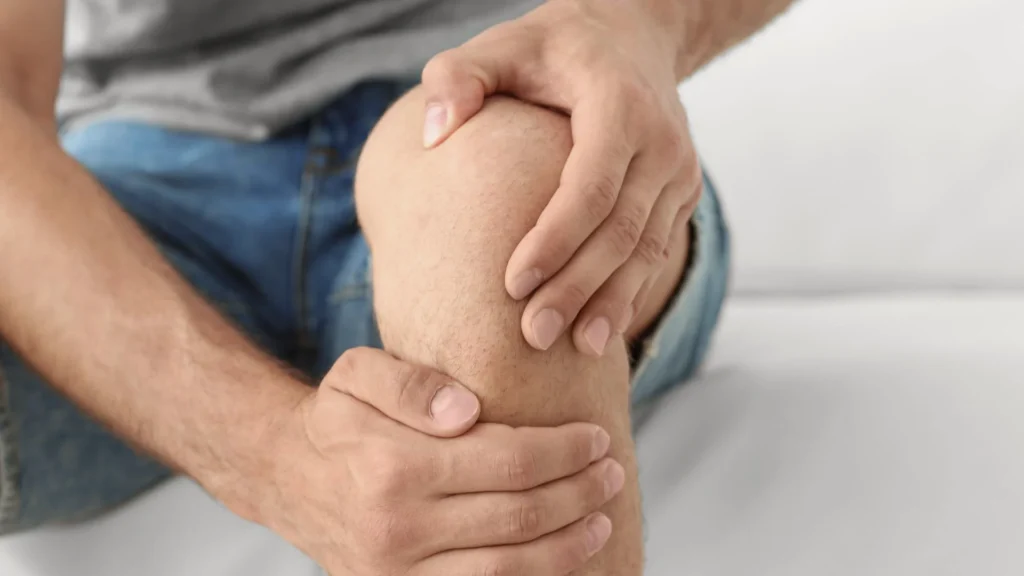
Knee osteoarthritis, for example, may cause pain while walking or climbing stairs, stiffness after prolonged sitting, reduced range of motion, swelling, weakness, or a feeling that the knee is unstable.
Because similar symptoms can arise from different conditions, identifying the source of the pain is an important step before deciding which treatment approach may be appropriate.
What Is Plasma Therapy?
Plasma Therapy is a treatment that uses a concentrated preparation derived from the patient’s own blood and introduces it into the targeted area as part of a regenerative treatment approach.
A small amount of blood is collected and processed using a centrifuge to separate and concentrate selected blood components, including platelets. The prepared plasma is then administered to the area being treated by a qualified medical professional.
Rather than treating every painful joint in the same way, the decision to use Plasma Therapy should be based on the patient’s symptoms, medical history, physical condition, severity of injury or degeneration, and physician assessment.
How Does Plasma Therapy Work?
The treatment generally involves three main steps:
1. Blood Collection
A small sample of the patient’s own blood is collected.
2. Plasma Preparation
The blood is processed in a centrifuge to prepare a concentrated plasma component for treatment.
3. Targeted Administration
The prepared plasma is administered into the targeted joint or affected area according to the physician’s treatment plan.
What Conditions May Be Considered for Plasma Therapy?
Plasma-based regenerative therapy may be considered for selected musculoskeletal problems following medical evaluation. Conditions commonly associated with this type of treatment include:
- Knee osteoarthritis
- Anterior cruciate ligament (ACL) injuries
- Rotator cuff injuries
- Tendon and ligament injuries
- Lateral epicondyle-related injuries
- Selected heel and foot injuries
- Ligament sprains
- Selected sports-related musculoskeletal injuries
Not every type or stage of joint pain is suitable for the same treatment. A medical consultation is therefore necessary to determine the cause and severity of the condition and whether Plasma Therapy should form part of the treatment plan.
Knee Pain: When Should You Pay Attention?
Knee problems can gradually progress from occasional discomfort to symptoms that interfere with daily life. Signs that may warrant medical assessment include:
- Pain while walking or climbing stairs
- Pain when standing after sitting for a long period
- Morning stiffness or stiffness after prolonged sitting
- Reduced range of motion
- Swelling or warmth around the knee
- Weakness in the leg
- Difficulty walking
- A sensation that the knee is unstable
- Persistent discomfort during exercise or sports
You do not necessarily have to wait until pain becomes severe before seeking an assessment. Understanding what is happening can help you and your physician discuss appropriate options earlier.
What Happens After Plasma Therapy?
Recovery varies depending on the area treated, the underlying condition, its severity, and the individual patient. Temporary swelling, soreness, or inflammation around the treatment area may occur following an injection.
Post-treatment instructions may include adequate rest, temporary modification of physical activity, and cold compresses when recommended by the treating physician.
Your doctor will advise when you can return to exercise, sports, or weight-bearing activities based on your individual condition and response to treatment.
Plasma Therapy at Nobel Longevity & Wellness in Bangkok
At Nobel Longevity & Wellness in Bangkok, Thailand, Plasma Therapy is approached as more than an isolated procedure. The first priority is understanding the person behind the pain—how the condition affects movement, activity, lifestyle, and long-term wellbeing.
A physician assessment helps determine the nature of the problem and whether a regenerative approach such as Plasma Therapy may be appropriate for the individual.
This personalized approach is particularly relevant for people who want not only to address discomfort, but also to preserve mobility and remain physically active as they age.
Mobility Is Part of Longevity
Living longer matters. But being able to move, travel, exercise, work, and enjoy the things you love throughout those years matters too.
If joint pain has already started deciding how far you walk, whether you exercise, or which activities you avoid, it may be time to understand the problem rather than simply adapting your life around it.
Talk to the medical team at Nobel Longevity & Wellness in Bangkok about your symptoms and whether Plasma Therapy may be an appropriate option for you.