What if you could see your own blood cells moving on screen in real time? Live Blood Analysis provides an immediate microscopic view of a small sample of fresh, unstained blood, creating a more visual and interactive way to discuss your health, nutrition, energy, and lifestyle with a clinician.
At Nobel Longevity & Wellness in Bangkok, Thailand, Live Blood Analysis uses dark-field microscopy to observe fresh blood cells in real time. It is designed as a wellness assessment and educational tool, with standard laboratory testing recommended when a specific medical condition or deficiency needs to be confirmed.
What Is Live Blood Analysis?
Live Blood Analysis is a microscopy-based assessment that examines a fresh blood sample shortly after it is collected.
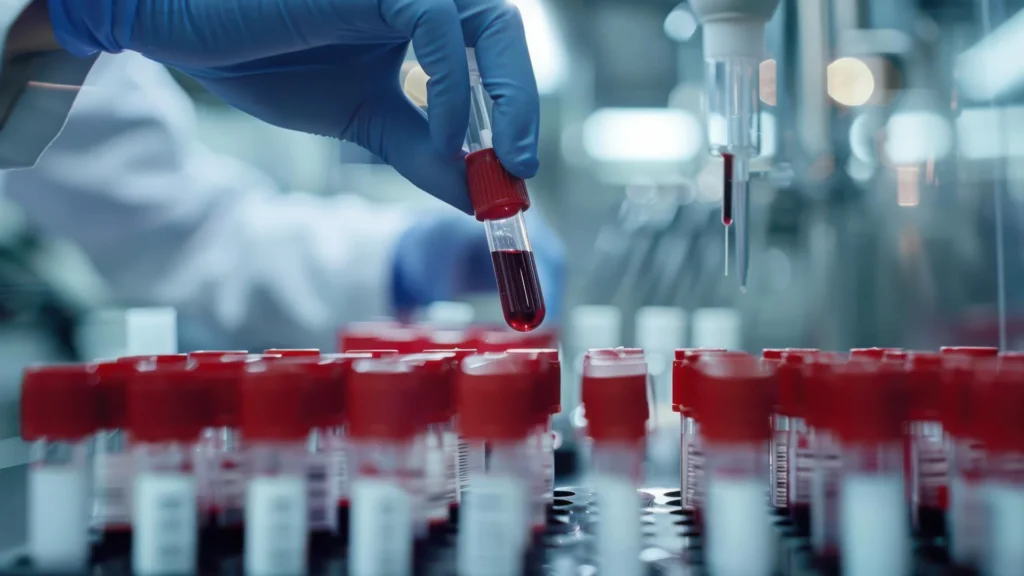
A small drop of blood is taken from the fingertip and viewed under a high-powered dark-field microscope without conventional staining. The microscopic image is displayed on a monitor, allowing you and the practitioner to observe the sample together.
The assessment focuses on visible characteristics of blood cells and provides an opportunity to discuss these observations alongside your symptoms, health history, nutrition, and lifestyle.
What Can You See During Live Blood Analysis?
The fresh blood sample can provide a close-up view of several blood components, including:
- Red blood cells, which carry oxygen through the body
- White blood cells, which are part of the immune system
- Platelets, which play an important role in blood clotting
- Visible differences in cell size, shape, distribution, and movement within the sample
These visual observations are different from quantitative laboratory measurements. For example, Live Blood Analysis does not replace a complete blood count when accurate red blood cell, white blood cell, hemoglobin, or platelet measurements are required.
How Does Live Blood Analysis Work?
The assessment is simple and provides immediate visualization:
1. Fingertip Blood Sample
A small drop of fresh blood is collected using a fingertip prick.
2. Dark-Field Microscopy
The fresh, unstained sample is examined under a dark-field microscope, which makes visible structures appear bright against a darker background.
3. Real-Time Viewing
The microscopic image is displayed directly on a screen so you can see the blood sample while the practitioner explains the visible characteristics.
4. Health Consultation
Your observations can then be discussed alongside your health concerns, nutrition, lifestyle, energy levels, and other relevant information. If a specific concern is identified, further testing may be recommended.
Who May Consider Live Blood Analysis?
Live Blood Analysis may appeal to people who want a more visual and interactive perspective on their wellness, particularly those interested in discussing:
- Persistent fatigue or low energy
- Nutrition and dietary habits
- General wellness and preventive health
- Recovery and lifestyle habits
- Questions about blood-cell appearance
The assessment may also help identify questions worth investigating further, but the microscopic image alone cannot determine the medical cause of symptoms such as fatigue or frequent illness.
Live Blood Analysis vs Standard Blood Testing
Live Blood Analysis and laboratory blood testing provide different types of information. Live Blood Analysis offers an immediate visual view of a small fresh blood sample, while laboratory tests measure specific biomarkers using standardized methods.
Live Blood Analysis should therefore not be used by itself to diagnose anemia, Vitamin B12 or mineral deficiency, infection, inflammation, heavy-metal toxicity, immune disorders, or chronic disease.
If the consultation raises a specific concern, an appropriate test can be selected to investigate it further. This may include a complete blood count, nutritional testing, metabolic testing, or another laboratory investigation depending on the clinical question.
Live Blood Analysis at Nobel Longevity & Wellness Bangkok
At Nobel Longevity & Wellness in Bangkok, Thailand, Live Blood Analysis combines real-time dark-field microscopy with a personalized health discussion.
Rather than treating the microscopic image as a diagnosis, the assessment helps you see your fresh blood sample, understand what is being observed, and discuss relevant questions about energy, nutrition, recovery, lifestyle, and overall wellness with a clinician.
When an observation suggests a possible medical or nutritional concern, appropriate laboratory testing can provide the measurements needed for further evaluation and a more informed next step.